
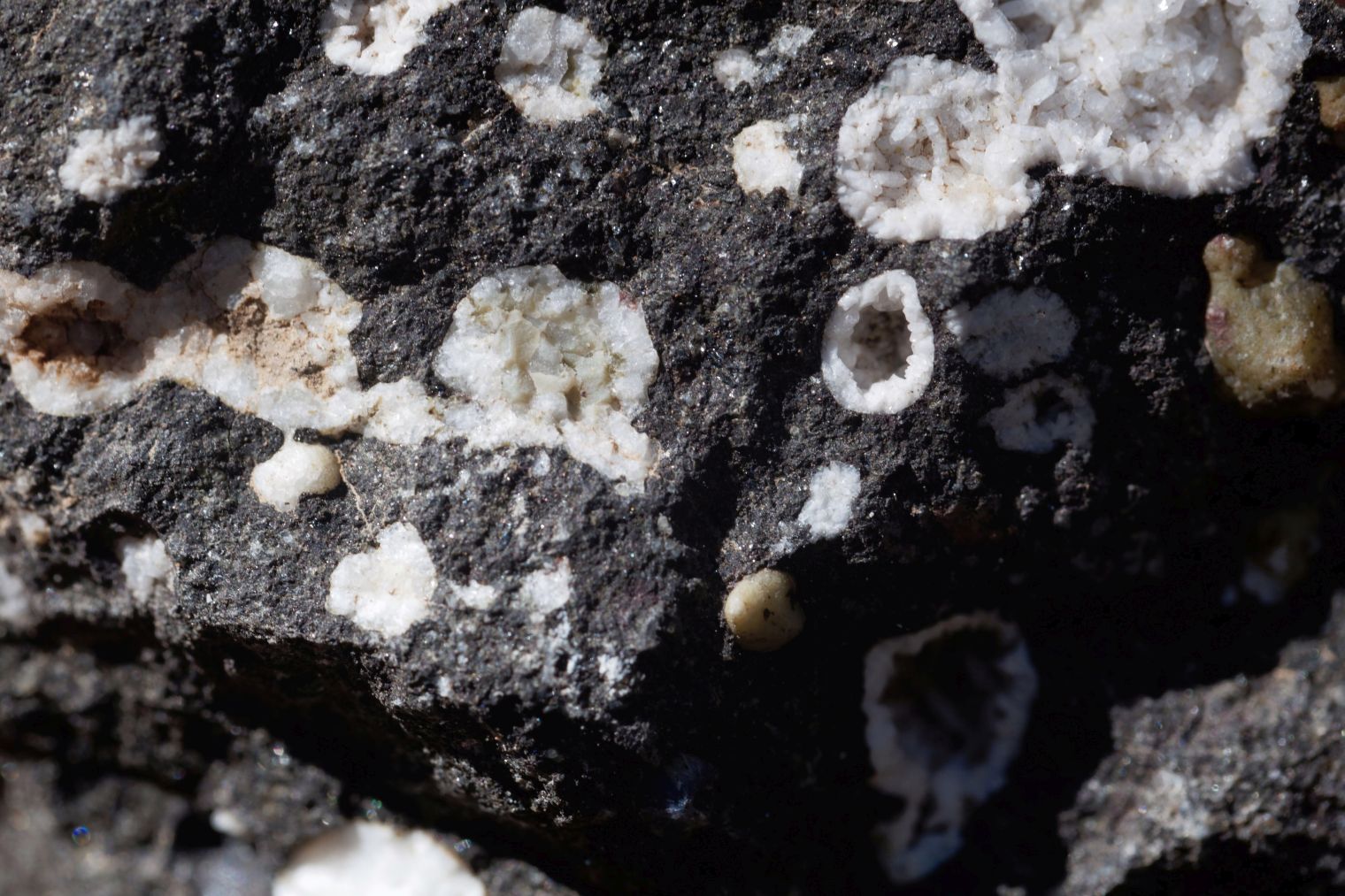
Recent studies have uncovered benefits that resulted from the addition of zeolite in the anaerobic digestion process.
This article compiles data from world-wide zeolite studies to be used as an informational resource.
Zeolite benefits
Methane production
- Higher organic-matter degradation, resulting in higher methane yield
- 46% increase in methane production
- 78% methane content of biogas
- 59% volatile solid (VS) conversion to methane
- Higher methane production when zeolite is present to hold ammonium nitrogen
- Mitigated ammonium levels to balance the C/N ratio for a higher methane yield
Microorganism development
- Increases the population of anaerobic digesting microorganisms for higher methane yield
- Immobilizes microorganisms on its large surface area to prevent washout and provide a surface for colonization
- Micronutrients and nitrogen are held in the colonization zone
- Hydrolytic and methanogenic microorganisms increased up to 100 times, with hydrolytic microorganisms 10 times higher
Odour and VOC control
- Odour and VOC (volatile organic compound) reduction
- The high cation exchange capacity (CEC) of zeolite exchanges the ammonium nitrogen (NH4+) into the crystal lattice before it vaporizes to ammonia gas (NH3)
Digestate production
- Odour reduction during field application
- High fertilizer value from nitrogen (ammonium) and potash (potassium) held in the zeolite lattice
- Higher methane production reduces the carbon content — digestate is lighter and less costly to handle
Groundwater pollution
- Ammonium is held in the zeolite lattice and does not oxidize into nitrates and nitrites
- Reduction in groundwater contamination
How zeolite works
Zeolite has the ability to capture ammonium (NH4+) through its cation exchange capacity (CEC).
Zeolites are negatively charged and able to hold positively charged ammonium (NH4+) and potassium (K+), which remain accessible to microorganisms as needed for growth but are not water-soluble.
Zeolite in digestate fertilizer
The plant releases hydrogen (H+) during growth, which exchanges with the nitrogen (NH4+) held in the zeolite lattice — making it plant-accessible but not water-soluble.
Available water (H2O) is held in the open pore spaces of the zeolite near the root zone.